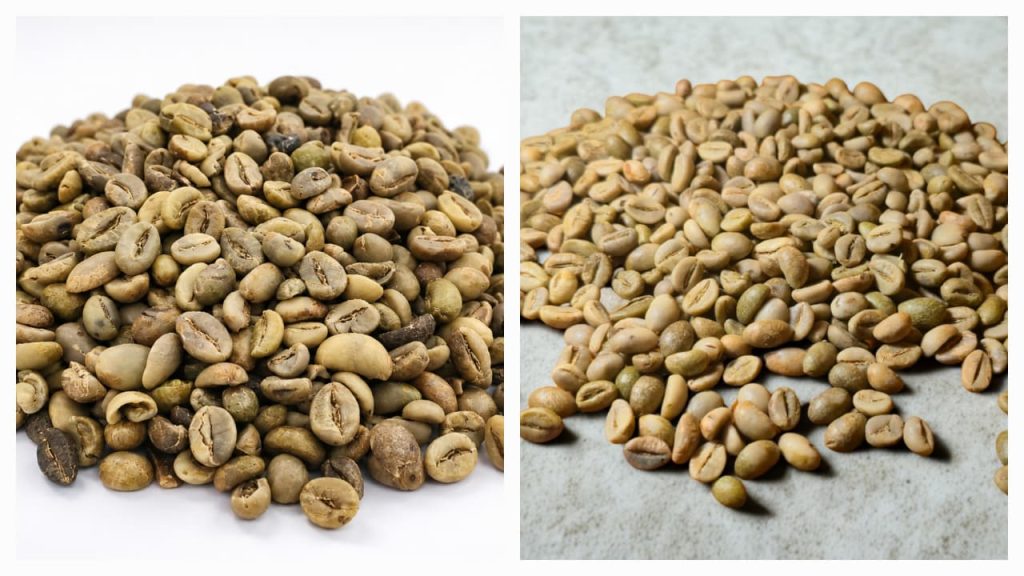
By Nusantara Global Trade | Indonesian Robusta Green Bean Supplier & Exporter
For international coffee buyers looking for a reliable source of Indonesian Robusta green coffee beans, Temanggung, Central Java deserves close attention.
Located in one of Indonesia’s established highland coffee origins, Temanggung has a long association with Robusta cultivation. Local government agricultural data identifies Temanggung as an essential coffee hub in Central Java, with Robusta representing a substantial share of its total plantation area.
Among the commercial offerings available from the region is Temanggung Robusta Green Bean Grade 1—a green coffee product positioned for buyers seeking carefully selected Robusta beans with defined physical specifications and export-ready preparation.
In this guide, we explore what buyers should evaluate regarding Temanggung Robusta Grade 1, including its origin, characteristics, processing, quality specifications, packaging, and commercial considerations when importing green coffee from Indonesia.
What Is Temanggung Robusta Green Bean Grade 1?
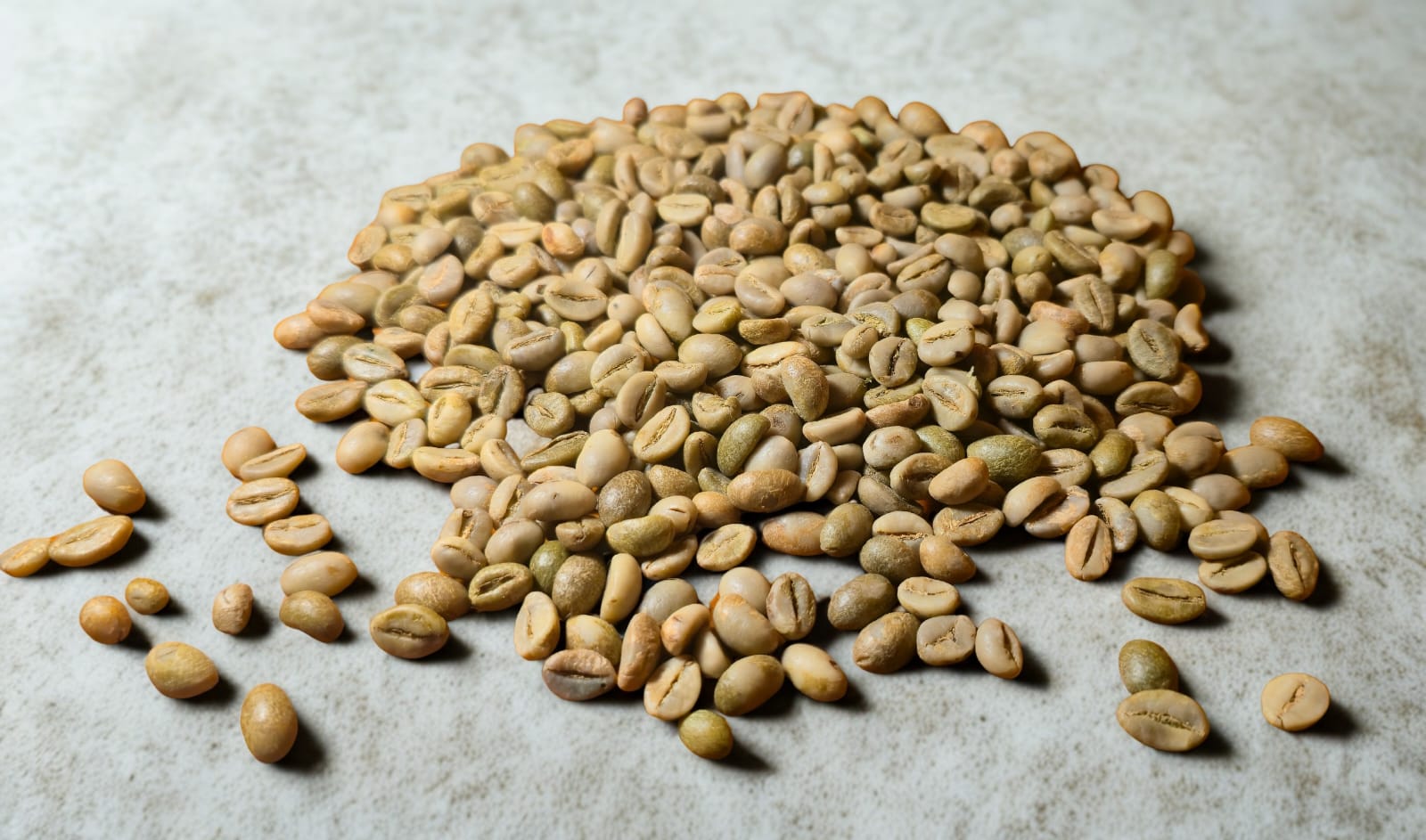
Temanggung Robusta Green Bean Grade 1 is a selected Coffea canephora green coffee bean originating from the volcanic highlands of Temanggung, Central Java, Indonesia.
At Nusantara Global Trade, Grade 1 is positioned as a commercially premium Robusta green bean for international importers, roasters, and trading companies requiring consistent performance in espresso blending and commercial distribution.
The product is supplied according to agreed buyer specifications, including parameters for:
- Origin & farming districts
- Commercial grade classification
- Screen size distribution
- Moisture equilibrium
- Defect tolerance levels
- Post-harvest processing method
- Packaging configuration
- FCL container shipment planning
Commercial Principle: Grading terminology is not identical across every producing country or supplier. International buyers should always verify the technical lot specification, pre-shipment sample (PSS), and quality documentation before contracting.
Why Temanggung?
Temanggung is situated in Central Java, Indonesia, between Mount Sindoro and Mount Sumbing. Official agricultural records document more than 8,000 hectares of Robusta cultivation across the regency, making it an anchor of Central Java’s coffee economy.
The region’s coffee production relies on generational smallholder farming communities. For international buyers, Indonesian coffee sourcing is rarely just a commodity transaction—consistency requires direct coordination between farmers, collectors, dry mills, quality control teams, and exporters.
To learn more about the regional terroir and districts, read our detailed overview of Temanggung Robusta Coffee origin and characteristics.
Understanding Indonesian Robusta Coffee
Robusta coffee belongs to the species Coffea canephora. Compared with Arabica, Robusta exhibits distinct physical and sensory attributes:
- Higher caffeine concentration
- Heavy mouthfeel and dense crema production
- Pronounced bitterness and low perceived acidity
- Deep cacao, dark chocolate, and toasted wood undertones
- Reliable solubility for commercial and instant extractions
However, the final cup is shaped by: Origin + Genetics + Cultivation + Harvest Timing + Processing + Drying + Storage + Roasting.
Simply knowing a lot is “Robusta” is not enough. To understand broader market dynamics, review our comprehensive Indonesian Robusta Coffee buyer guide.
Temanggung Robusta Coffee: From Farm to Green Bean
Export-quality green coffee requires disciplined management across each post-harvest stage:
Coffee Farm → Selective Harvest → Processing → Drying → Hulling → Sorting → Quality Control → Bagging → Export
1. Cultivation
Robusta is cultivated across several prominent highland districts in Temanggung, including Gemawang, Candiroto, Jumo, Bejen, Pringsurat, and Wonoboyo.
2. Harvesting
Local agricultural guidance emphasizes selective harvesting of fully ripe red cherries. Avoiding immature green cherries is essential to prevent astringency and uneven roasting.
3. Processing
Official Geographical Indication documentation in Temanggung recognizes both wet processing and natural dry processing. The specific method must always be verified per commercial lot.
4. Controlled Drying
Even sun-drying on raised beds or clean patios stabilizes the seed and protects against mold, fermentation defects, and premature bean aging.
5. Mechanical & Optical Sorting
After hulling, green beans are graded by screen size, density-sorted, and hand- or optically picked to remove physical defects and foreign matter before bagging.
Temanggung Robusta Green Bean Grade 1 Specifications
For the standard Nusantara Global Trade Grade 1 offering, the benchmark technical specification is outlined below:
| Specification | Grade 1 Standard |
|---|---|
| Origin | Temanggung, Central Java, Indonesia |
| Species | Coffea canephora (Robusta) |
| Form | Raw Green Coffee Bean |
| Grade | Grade 1 (Selected Commercial) |
| Processing | Natural Dry Processed |
| Crop Year | Current Harvest (2026) |
| Moisture Content | 11.5% – 12.5% max |
| Maximum Defect Rate | Max. 11 points (per 300g sample) |
| Screen Size | Screen 16–18 (Large Bean) |
| Packaging | 60 kg clean export jute bags (Liner optional) |
*Specifications should be reconfirmed against the actual available lot, sample, and quality documentation prior to contract execution.
What Does Screen Size 16–18 Mean?
Screen size denotes the physical dimension of green beans measured through perforated metal plates (measured in 1/64ths of an inch). A higher number represents a larger bean.
A specification of Screen 16–18 indicates that the lot is composed of large, uniform beans retained on screen sizes 16, 17, and 18. For commercial roasters, screen uniformity ensures:
- Consistent drum heat transfer
- Predictable crack timing during roasting
- Even color development
- Clean visual presentation in whole-bean blends
What Does the Defect Rate Mean?
Green coffee defect evaluation establishes the physical purity of a lot. Defects include:
- Primary defects: Black beans, sour beans, foreign matter
- Secondary defects: Broken beans, insect-damaged beans, immature beans, parchment husks
For Nusantara Global Trade Grade 1, the maximum defect threshold is set at Max. 11 points (under standard grading protocols). Keeping defect levels low prevents chemical taints and off-flavors in the roasted cup.
Why Moisture Content Matters
Green coffee moisture is critical for long-distance maritime transit. Our Grade 1 specification targets 11.5%–12.5% moisture content.
Proper moisture control ensures:
- Protection against mold and fungal growth during ocean transit
- Prevention of rapid bean fading or cup flattening
- Consistent weight verification between port of origin and destination
What Makes Grade 1 Valuable for International Buyers?
- Defined Specifications: Eliminates guesswork when comparing offers from different origins.
- Supply Consistency: Supports multi-container annual programs with uniform physical properties.
- Traceable Origin: Full transparency into Central Java harvest districts and milling hubs.
- Export Preparation: Standardized export bagging, marking, container desiccant application, and phytosanitary clearance.
Who Buys Indonesian Robusta Green Beans?
- Specialty & Commercial Roasters: Sourcing high-crema components for Italian-style espresso blends.
- Green Coffee Importers: Warehousing container volumes for spot-market wholesale distribution.
- Commodity Traders: Fulfilling contracted volume commitments into international markets.
- Beverage Manufacturers: Utilizing consistent Robusta lots for ready-to-drink (RTD) and soluble extractions.
How to Buy Temanggung Robusta Green Beans
Before placing an order, international procurement teams should request three categories of information from their supplier:
- Product Specifications: Crop year, screen distribution, moisture reading, defect count, processing.
- Commercial Terms: Available volume, packaging format, Incoterm (FOB Tanjung Mas / CIF destination), payment structure.
- Quality Proof: Representative pre-shipment sample (PSS), current lot photos, and independent laboratory test sheets.
Packaging and Export Logistics
Standard packaging consists of 60 kg export jute bags, with optional hermetic inner liners (e.g., GrainPro) to preserve moisture across long ocean voyages.
A standard 20-foot full container load (20ft FCL) accommodates roughly 300 to 320 bags (18.0 to 19.2 metric tons) when floor-loaded.
Why Work With an Indonesian Green Coffee Supplier?
Collaborating directly with a dedicated Indonesian coffee exporter provides buyers with close communication regarding crop timelines, spot price movements, custom milling requirements, and rapid export documentation.
Our commitment to rigorous sourcing and quality control ensures export lots meet strict commercial criteria before departure.
Frequently Asked Questions
What is Temanggung Robusta Green Bean Grade 1?
It is a selected commercial green coffee bean from Temanggung, Central Java, offering Screen 16–18 bean size and a maximum defect count of 11.
What is the moisture target for Grade 1 export?
The standard export moisture specification is 11.5% to 12.5% max, tested prior to stuffing.
What processing method is used?
Our current Grade 1 specification utilizes Natural Dry processing, accentuating full body and rich chocolate undertones.
Can I request a pre-shipment sample?
Yes. Representative green coffee samples can be dispatched via international courier for roasting and physical evaluation prior to contract confirmation.
Can you supply full container loads (FCL)?
Yes. We organize containerized supply out of primary Indonesian ports (including Tanjung Mas, Semarang, and Tanjung Priok, Jakarta).
Looking for Indonesian Robusta Green Beans?
Nusantara Global Trade supplies verified Temanggung Robusta Green Bean Grade 1 and commercial grades for importers, roasters, and distributors worldwide. Contact our export team with your target volume, destination port, and delivery schedule.